
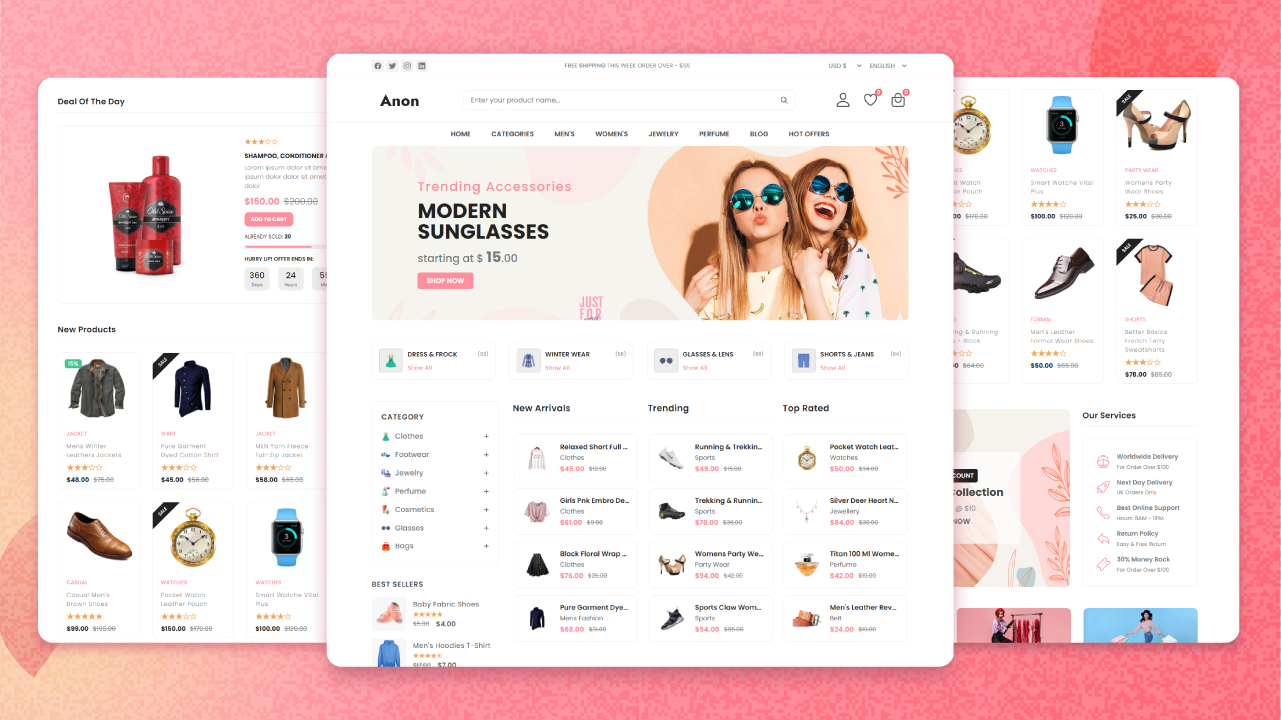
Building the Perfect E-commerce Website: A Comprehensive Guide to Custom E-commerce Development in 2026
In today's digital marketplace, a robust E-commerce Website serves as the cornerstone of modern retail success. As consumer expectations evolve and technology advances, businesses across India, USA, UK, UAE, Singapore, Malaysia, and Australia are increasingly turning to custom ecommerce development solutions to create distinctive online shopping experiences. This comprehensive guide explores the critical components of successful e-commerce platforms, compares leading solutions like Shopify and Magento, and provides actionable insights for businesses seeking to establish or enhance their online presence in the competitive digital marketplace of 2026.
Understanding the Modern E-commerce Landscape
The e-commerce ecosystem has undergone dramatic transformation in recent years, with consumers expecting seamless, personalized shopping experiences across multiple devices and touchpoints. A well-designed E-commerce Website now incorporates sophisticated features including AI-powered product recommendations, real-time inventory tracking, and omnichannel fulfillment options. According to recent industry research, global e-commerce sales are projected to exceed $7.4 trillion by 2026, with mobile commerce accounting for over 54% of all online transactions. This growth trajectory underscores the critical importance of selecting the right e-commerce platform and development approach to capture market share and drive sustainable business growth.
"Businesses that invest in custom e-commerce development see an average 35% higher conversion rate compared to those using off-the-shelf solutions, according to a comprehensive study by Orvinex Software Solution across multiple markets."
Choosing the Right E-commerce Platform: Shopify vs. Magento
When selecting an e-commerce platform, businesses often face the dilemma between Shopify and Magento, two industry leaders with distinct advantages. Shopify experts US emphasize the platform's user-friendly interface, extensive app ecosystem, and reliable infrastructure that enables businesses to launch quickly. Shopify's hosted solution eliminates many technical complexities, making it particularly appealing to small and medium-sized businesses with limited technical resources. In contrast, Magento vs Shopify comparisons often highlight Magento's unparalleled flexibility and customization capabilities, making it the preferred choice for large enterprises with complex requirements.
Shopify: The Powerhouse for Growing Businesses
Shopify has emerged as the go-to platform for businesses seeking a balance between functionality and ease of use. With Shopify experts US continuously developing innovative solutions, the platform now offers advanced features including multi-channel selling, abandoned cart recovery, and comprehensive analytics. The recent evolution of headless Shopify has further expanded its capabilities, allowing businesses to decouple the front-end presentation layer from the back-end commerce functionality. This architectural flexibility enables unparalleled customization while maintaining the platform's robust infrastructure and security features.
Shopify's key advantages include:
- Exceptional uptime and security infrastructure
- Extensive app marketplace for extending functionality
- Integrated payment processing with competitive rates
- Comprehensive built-in SEO tools
- Scalable architecture that grows with your business
Magento Adobe Commerce: The Enterprise Solution
Magento Adobe Commerce represents the gold standard for enterprise-level e-commerce requirements. Its open-source nature provides developers with complete control over every aspect of the online store, from product catalog management to checkout flow customization. For businesses with complex operations, multiple sales channels, and sophisticated customer segmentation needs, Magento offers unparalleled flexibility. However, this power comes with increased complexity, requiring specialized development expertise and ongoing maintenance to ensure optimal performance.
Custom E-commerce Development: Beyond Off-the-Shelf Solutions
While established platforms like Shopify and Magento provide excellent foundations, many businesses require custom ecommerce development to differentiate themselves in crowded marketplaces. Custom development enables brands to implement unique features, optimize conversion funnels, and create memorable shopping experiences that align with their specific business objectives. Professional ecommerce website design goes beyond aesthetics, incorporating user behavior insights, conversion rate optimization principles, and technical best practices to maximize both user experience and business outcomes.
When considering custom ecommerce development, businesses should evaluate:
- The specific functionality requirements that differ from standard offerings
- Integration needs with existing business systems (ERP, CRM, etc.)
- Scalability requirements for future growth
- Technical expertise available for maintenance and updates
- Long-term total cost of ownership considerations
Advanced E-commerce Architectures: Headless Commerce Explained
Headless commerce represents a paradigm shift in e-commerce architecture, decoupling the front-end customer interface from the back-commerce functionality. This approach allows businesses to deliver consistent experiences across multiple channels—web, mobile apps, in-store kiosks, voice assistants—while leveraging a unified commerce backend. Headless Shopify implementations have become increasingly popular among businesses seeking to differentiate their digital experiences while maintaining the reliability of established platforms.
The benefits of headless commerce include:
- Unlimited front-end design possibilities
- Faster page loading and improved user experience
- Consistent experience across all customer touchpoints
- Easier integration with emerging technologies
- Improved site performance and scalability
When to Choose Headless Commerce
Businesses with complex digital experiences, multiple sales channels, or rapid innovation requirements often benefit most from headless commerce implementations. Retailers with strong brand identities and unique customer journeys can leverage this architecture to create truly differentiated shopping experiences. However, headless commerce requires greater technical expertise and development resources, making it more suitable for businesses with dedicated technical teams or partners like Shopify experts US with specialized headless experience.
WooCommerce Development: The WordPress-Powered Alternative
For businesses already invested in the WordPress ecosystem, WooCommerce development offers a compelling combination of flexibility and familiarity. As an open-source plugin, WooCommerce provides extensive customization capabilities while leveraging the robust WordPress content management system. This approach is particularly popular among small to medium-sized businesses that require greater control than Shopify offers but lack the technical resources for full Magento implementations.
WooCommerce's key advantages include:
- No transaction fees (unlike Shopify's percentage-based model)
- Complete control over hosting and infrastructure
- Vast library of extensions and themes
- Strong SEO capabilities inherited from WordPress
- Lower initial development costs for WordPress-based businesses
Building a Scalable Online Store for Future Growth
In today's dynamic marketplace, businesses must plan for growth from the outset. A scalable online store architecture ensures that as your business expands—adding products, customers, and sales channels—your e-commerce platform can evolve without requiring complete redevelopment. This involves selecting appropriate hosting infrastructure, implementing efficient database structures, and designing modular systems that can accommodate increased traffic and transaction volumes.
Key considerations for scalable online store development include:
- Cloud-based hosting with auto-scaling capabilities
- Microservices architecture for independent scaling of different functions
- Efficient caching strategies to handle increased traffic
- Content delivery networks for global performance optimization
- Modular code architecture to facilitate feature additions
Enterprise E-commerce Platforms: Meeting Complex Business Needs
Enterprise ecommerce platform solutions address the unique requirements of large-scale retailers, including complex product catalogs, multiple sales channels, sophisticated inventory management, and advanced customer segmentation. These platforms often incorporate features such as B2B capabilities, multi-store management, and integration with enterprise resource planning (ERP) systems. For businesses operating across multiple regions with different regulatory requirements, enterprise platforms offer the comprehensive functionality needed to maintain operational consistency while addressing local market nuances.
When evaluating enterprise ecommerce platform options, businesses should prioritize:
- Robust API capabilities for system integration
- Advanced analytics and reporting features
- Multi-language and multi-currency support
- Scalable infrastructure for peak traffic periods
- Enterprise-grade security and compliance features
Conversion Rate Optimization: Maximizing E-commerce Performance
Conversion rate optimization represents the systematic process of increasing the percentage of website visitors who complete desired actions, from adding items to carts to completing purchases. Effective ecommerce conversion optimization involves understanding user behavior, identifying friction points in the customer journey, and implementing data-driven improvements to the shopping experience. This continuous process combines technical optimization, persuasive design elements, and psychological insights to create an environment that facilitates and encourages purchase decisions.
Key conversion rate optimization strategies include:
- Simplified navigation and intuitive category structures
- High-quality product images with multiple views
- Detailed product descriptions with key specifications
- Customer reviews and social proof elements
- Streamlined custom checkout processes with minimal form fields
Payment Gateway Integration and Checkout Experience
The checkout process represents the critical final step in the customer journey, where friction can lead to abandoned carts and lost sales. Effective payment gateway integration ensures secure, seamless transactions across multiple payment methods while maintaining brand consistency throughout the checkout experience. For businesses targeting international markets, multi-currency checkout capabilities are essential to accommodate customers from different regions with local payment preferences and currency expectations.
Best practices for checkout optimization include:
- Guest checkout options to reduce friction for new customers
- Progressive form disclosure to minimize cognitive load
- Multiple payment method options including digital wallets
- Transparent pricing with no hidden fees
- Trust indicators such as security badges and return policies
Popular Payment Gateway Options
Leading payment gateways include Stripe, PayPal, and Adyen, each offering different strengths for various business models and markets. API integration ecommerce with these payment providers ensures secure transaction processing while supporting advanced features like subscription billing, partial payments, and complex discount structures. For businesses operating across multiple regions, selecting payment gateways with local presence and compliance capabilities is crucial to minimizing payment failures and maximizing conversion rates.
UI/UX Design for E-commerce: Creating Engaging Shopping Experiences
UI/UX design for ecommerce plays a critical role in differentiating your online store and creating memorable customer experiences. Effective e-commerce design balances aesthetic appeal with functional clarity, guiding users effortlessly through their shopping journey while reinforcing brand identity. In an increasingly competitive marketplace, exceptional design has become a key differentiator, with 88% of online consumers stating they wouldn't return to a website after a bad experience.
Key principles of effective e-commerce UI/UX include:
- Intuitive navigation with clear category structures
- Visual hierarchy that guides attention to key elements
- Consistent design language across all pages
- Mobile-first approach ensuring seamless experiences across devices
- Accessibility considerations for users with disabilities
Mobile Commerce Solutions: Capturing the On-the-Go Consumer
With mobile devices accounting for the majority of e-commerce traffic in many markets, mobile commerce solutions have evolved from responsive websites to dedicated mobile apps and progressive web applications. Mobile-first design approaches ensure optimal performance and user experience across smartphone and tablet devices, with special attention to touch interactions, loading speeds, and simplified navigation patterns.
Essential mobile commerce features include:
- Optimized product images and descriptions for mobile viewing
- Simplified navigation with thumb-friendly touch targets
- Mobile-specific payment options like digital wallets
- Push notifications for abandoned cart recovery
- Augmented reality features for product visualization
Site Speed Optimization: The Foundation of E-commerce Performance
Site speed directly impacts both user experience and search engine rankings, making site speed optimization ecommerce a critical component of e-commerce success. Research shows that 53% of mobile users abandon sites that take longer than three seconds to load, while faster sites enjoy lower bounce rates and higher conversion rates. Effective speed optimization involves multiple technical considerations including image compression, code minification, browser caching, and content delivery networks.
Essential site speed optimization techniques include:
- Image optimization with modern formats like WebP
- Minification of CSS, JavaScript, and HTML
- Implementation of lazy loading for non-critical resources
- Content delivery networks for global content distribution
- Server response time optimization through appropriate hosting
B2B E-commerce Solutions: Streamlining Business Transactions
B2B ecommerce solution platforms address the unique requirements of business-to-business transactions, including complex pricing structures, approval workflows, bulk ordering capabilities, and account management features. Unlike B2C e-commerce, which focuses on individual consumer transactions, B2B platforms often incorporate features like quote generation, contract pricing, and integrated procurement systems to facilitate efficient business transactions.
Key B2B e-commerce capabilities include:
- Role-based permissions and approval workflows
- Custom pricing tiers and customer-specific catalogs
- Reorder functionality and order history access
- Integration with ERP and accounting systems
- Self-service account management portals
E-commerce Migration Services: Platform Transitions Made Seamless
As businesses grow and evolve, transitioning to a new e-commerce platform often becomes necessary. Professional ecommerce migration services ensure that this transition occurs with minimal disruption to operations, preserving critical data while leveraging new platform capabilities. Successful migrations require careful planning, thorough data mapping, and comprehensive testing to ensure continuity of customer experience and business operations.
Essential elements of successful e-commerce migration include:
- Comprehensive data mapping and validation
- URL structure preservation to maintain SEO value
- Thorough testing across all devices and browsers
- Minimal downtime during the transition process
- Post-migration performance monitoring and optimization
Orvinex Software Solution: Partnering for E-commerce Excellence
For businesses seeking expert guidance in their e-commerce journey, partners like Orvinex Software Solution offer comprehensive services across the entire e-commerce lifecycle. From platform selection and custom development to ongoing optimization and support, specialized e-commerce agencies provide the expertise needed to navigate the complex digital marketplace. When evaluating potential partners, businesses should consider technical capabilities, industry experience, portfolio quality, and post-launch support offerings.
Key considerations when selecting an e-commerce development partner include:
- Proven experience with your chosen platform
- Portfolio of similar projects and successful case studies
- Technical expertise across both front-end and back-end technologies
- Comprehensive post-launch support and maintenance offerings
- Understanding of your specific industry and business requirements
Best E-commerce Platform Comparison for 2026
The e-commerce platform landscape continues to evolve, with new technologies and approaches emerging regularly. A comprehensive best ecommerce platform comparison should evaluate platforms across multiple dimensions including ease of use, customization capabilities, scalability, pricing, and support requirements. Businesses must consider both current needs and future growth potential when selecting a platform that will support their digital commerce ambitions.
When comparing e-commerce platforms, businesses should evaluate:
- Total cost of ownership including transaction fees and additional apps
- Scalability limitations and upgrade paths
- Integration capabilities with existing business systems
- Mobile commerce capabilities and performance
- Security features and compliance certifications
Shopify Plus Development: Scaling Your E-commerce Operations
Shopify Plus development represents the enterprise tier of Shopify, designed for high-growth businesses and large retailers. This platform offers advanced features including custom themes, enhanced API access, and dedicated support to support complex business requirements. Shopify Plus enables businesses to leverage Shopify's robust infrastructure while maintaining greater control over their online experience and functionality.
Key advantages of Shopify Plus include:
- Enhanced customization capabilities for unique brand experiences
- Advanced API access for custom integrations
- Priority support with dedicated account management
- Multi-store management capabilities
- Advanced analytics and reporting features
Future Trends in E-commerce Development
The e-commerce landscape continues to evolve rapidly, with several emerging trends shaping the future of online retail. Artificial intelligence and machine learning are increasingly being leveraged for personalized product recommendations, dynamic pricing, and customer service automation. Voice commerce through smart speakers and voice assistants is gaining traction, while augmented reality features enable virtual try-on experiences and product visualization. As these technologies mature, businesses must stay informed about emerging capabilities to maintain competitive advantage.
Emerging e-commerce trends to watch include:
- AI-powered personalization and predictive recommendations
- Augmented reality for product visualization and virtual try-ons
- Voice commerce integration with smart assistants
- Sustainable commerce features and eco-friendly options
- Social commerce integration with shopping features
Conclusion: Building Your E-commerce Future
The journey to creating a successful E-commerce Website begins with understanding your business requirements, target audience, and long-term growth objectives. Whether you choose a platform like Shopify with its user-friendly interface and extensive ecosystem, opt for Magento's unparalleled customization capabilities, or pursue a custom development approach, the key lies in selecting a solution that aligns with your specific business needs and technical resources.
As you embark on your e-commerce journey, consider partnering with experienced professionals who can guide you through platform selection, custom ecommerce development, and ongoing optimization. Whether you're a small business just establishing your online presence or an enterprise retailer seeking to enhance your digital capabilities, the right e-commerce strategy—supported by expert implementation—can unlock new opportunities for growth and customer engagement in the dynamic digital marketplace of 2026 and beyond.
Ready to transform your e-commerce presence? Contact our team of Shopify experts US today to discuss how we can help you build a scalable online store that drives results and delivers exceptional customer experiences.